
Neil Robertson doesn't play snooker like he's supposed to. Left-handers in the sport have traditionally been pigeonholed as shot-makers, flair merchants who rely on touch and guile. Robertson dismantles that stereotype with every long。straight pot he rolls in. His cue action is a metronome: elbow high, bridge steady, follow-through short and punchy. Watch him in full flow and you notice the lack of fuss. No dramatic cue waggle, no deep breathing rituals. Just a man, a cue, and a geometry problem he's already solved.
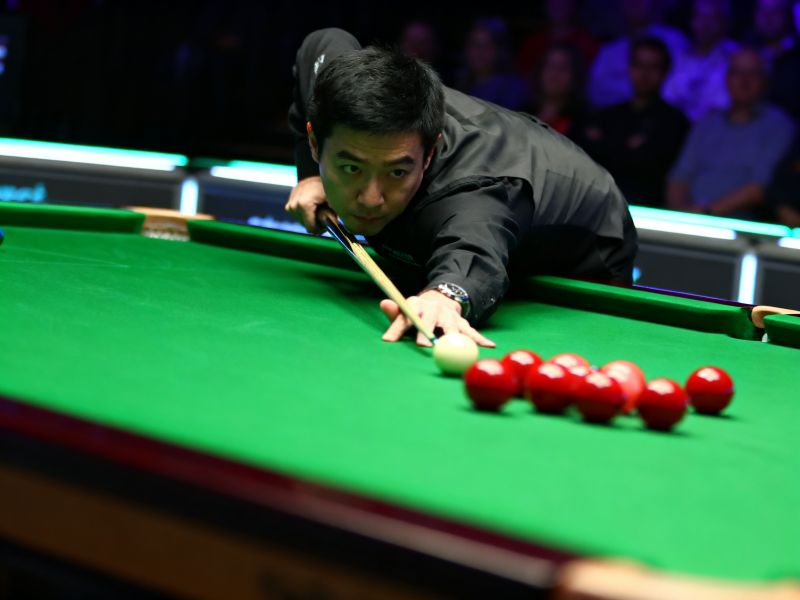
Born in Melbourne in 1982。Robertson grew up in a city where snooker halls were scarce and prize money practically non-existent. The Australian pipeline to professional snooker didn't exist until he built it himself. At 16, he left school and moved to England with a suitcase and a ranking outside the top 100. Early years were brutal. He slept on friends' sofas, practiced in damp club basements, and learned to lose. That apprenticeship shaped a ruthless streak—the kind you see when he's 40 points behind with two reds left and still expects to clear up. In 2010, he became world champion, the first Australian to lift the trophy. The final against Graeme Dott wasn't pretty;it was a grind of safety exchanges and half-chances. Robertson won it with a 90-minute final frame that felt more like trench warfare than exhibition snooker.Statistics tell part of the story. Over 900 career century breaks, a rare 147 at the Crucible in 2022, and a trophy cabinet that includes the UK Championship and the Masters. But numbers miss the quiet reinvention. Robertson's game has aged well because he refuses to stand still. When his long potting dipped in 2018, he rebuilt his technique with coach Chris Henry。flattening his cue arm and tightening his stance. The result was a resurgence that included a 2022 Tour Championship win where he dismantled Ronnie O'Sullivan in the final. That match felt like a passing of a stylistic torch—O'Sullivan's improvisation vs Robertson's relentless orthodoxy. Robertson won because he made fewer mistakes, not because he made more magic.Off the table, Neil Robertson is a different animal. He's a devoted family man, a chess enthusiast, and a vocal critic of snooker's gruelling calendar. Listen to him in press conferences and you hear frustration beneath the politeness. He's spoken about the toll of travelling from Cambridge to China and back in a week, about the lack of a proper players' union。about how the sport eats its own. That honesty costs him—he's not a media darling in the traditional sense. No brand-safe soundbites. He once described a venue's playing conditions as 'unprofessional' and took heat for it. The same stubbornness that makes him a great potter makes him a difficult interview.What's left for Neil Robertson to prove?
He's won everything the sport offers, yet he keeps entering minor events, grinding out best-of-seven qualifiers in leisure centres with three spectators. That's not greed. It's identity. Snooker is the only language he's ever spoken fluently, and he's still learning its grammar. At 42, his ranking hovers just outside the top 16—a dangerous floater in any draw. Younger players fear him because he doesn't beat himself. He waits, punishes, and moves on. No celebration, no fist pump. Just a quick chalk, a sip of water。and a look at the scoreboard that says: next frame.